Top 10 Options for Gum Disease Treatment in Ventura
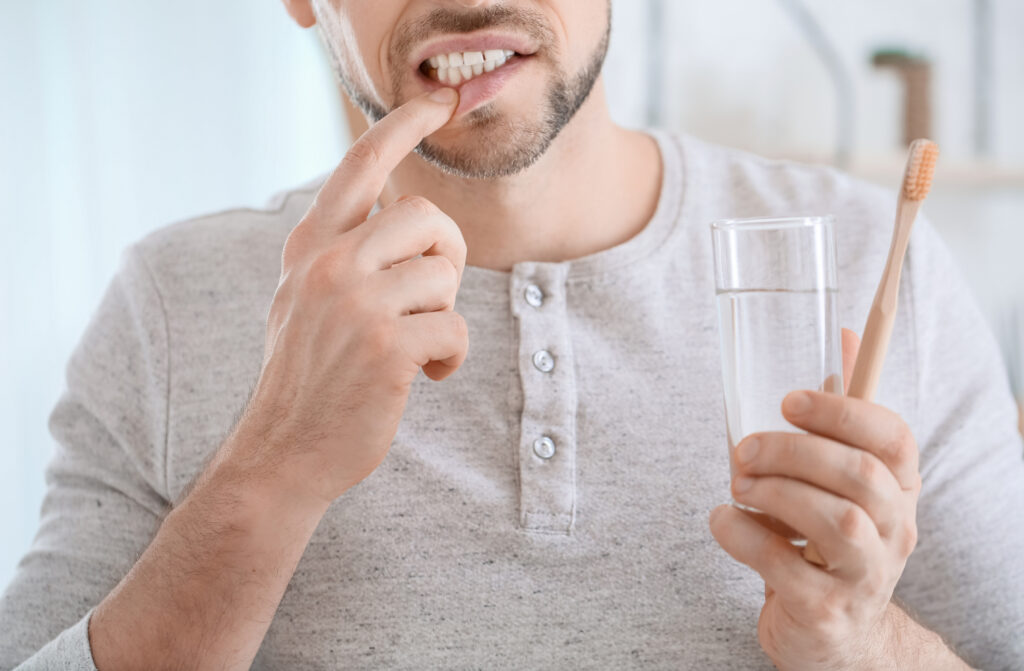
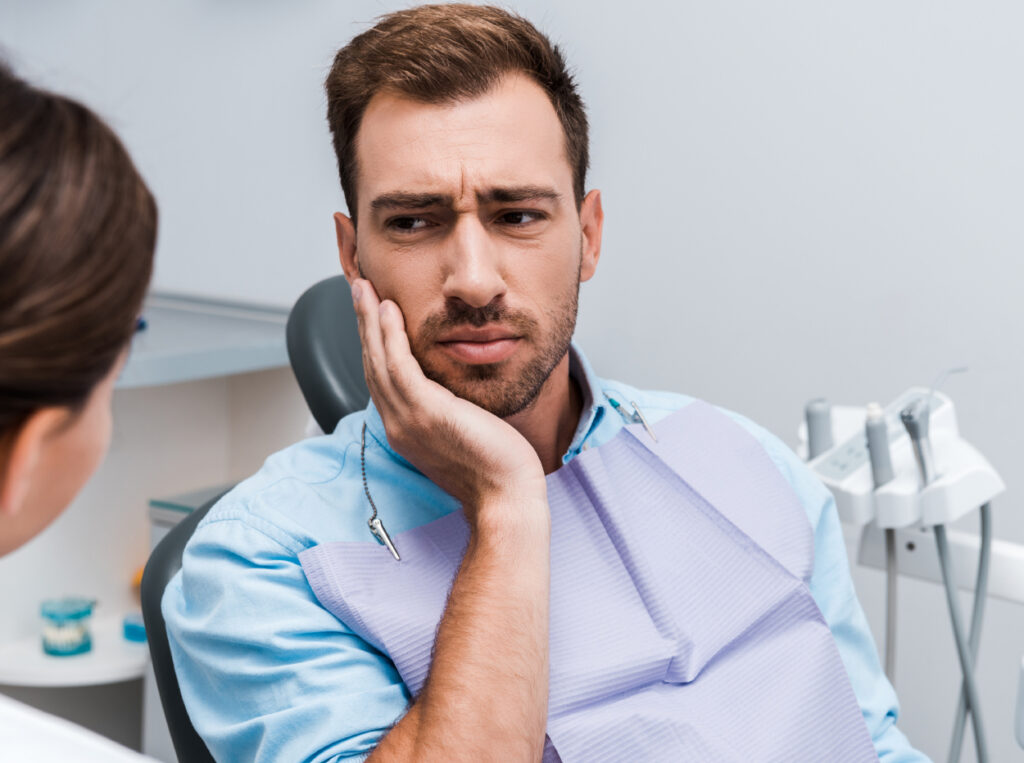

Gum disease rarely starts with drama. More often, it begins with small signs people talk themselves out of noticing, a little bleeding when brushing, tenderness around one back molar, bad breath that keeps coming back no matter how often they use mouthwash. By the time many patients in Ventura ask about treatment, the problem has usually been building for months or years.
That matters because gum disease is not just a cosmetic issue. It affects the tissues and bone that hold teeth in place. Left alone, it can turn a stable smile into shifting teeth, gum recession, pain with chewing, and eventually tooth loss. The good news is that modern Gum Disease Treatment can be very effective, especially when the right treatment is matched to the stage of disease, the patient’s health history, and the practical realities of recovery and maintenance.
If you are researching Gum Disease Treatment in Ventura, it helps to understand one thing right away: there is no single best treatment for every case. A person with mild gingivitis may improve with a deep professional cleaning and a better home routine. Someone with advanced periodontitis may need surgical care, bone support procedures, or laser therapy. The strongest outcomes usually come from a mix of accurate diagnosis, appropriate treatment, and steady follow-up.
How dentists in Ventura usually decide what treatment makes sense
Before talking about options, it helps to know how treatment decisions are made. Most periodontal care starts with a close exam of the gums, plaque accumulation, bleeding points, gum recession, mobility of teeth, and pocket depths around each tooth. X-rays often help show whether bone loss is present and how extensive it is. In some offices, especially those that focus heavily on periodontal care, digital charting and intraoral imaging make these changes easier to track over time.
Climate, lifestyle, and habits can shape the conversation in Ventura more than people expect. Patients who spend a lot of time outdoors may deal with dry mouth from dehydration. Others clench their teeth under stress, which can make sore gums feel even worse. Smoking, vaping, diabetes, and certain medications complicate healing. So does inconsistent maintenance. A treatment that looks excellent on paper may fail if a patient cannot realistically keep up with home care or regular visits.
That is why a good clinician does not simply name a procedure and send you to the front desk. They explain severity, likely outcomes, expected discomfort, timing, cost considerations, and what will be required after treatment to keep disease from returning.
The first five treatment options most patients hear about
- Professional dental cleaning for early gingivitis For patients whose gum inflammation has not yet caused attachment loss or bone damage, a standard professional cleaning is often the first and most appropriate step. This is not the same as treating advanced periodontal disease, but it can be very effective for early-stage gingivitis. The hygienist removes plaque and tartar above and slightly below the gumline, polishes the teeth, and gives guidance on brushing and flossing technique.
This option works best when symptoms are still mild: puffy gums, bleeding with brushing, or generalized irritation without deep pockets. In real practice, people are often surprised by how quickly the gums calm down once hard tartar is removed and home care improves. The trade-off is simple, though important. A routine cleaning is not enough if deeper pockets or bone loss are already present. Using a lighter treatment when the disease is more advanced only delays proper care.
- Scaling and root planing, often called deep cleaning Scaling and root planing is one of the most common forms of Gum Disease Treatment, and for good reason. It is often the frontline treatment for periodontitis that has progressed beyond simple gingivitis. During this procedure, the provider removes calculus, bacterial biofilm, and toxins from below the gumline and smooths the root surfaces so the gum tissue can reattach more effectively.
Many patients in Ventura have heard the term “deep cleaning” without understanding what it involves. In practical terms, treatment is usually done by quadrant, often with local anesthetic, so the provider can thoroughly clean deeper periodontal pockets. Mild soreness afterward is common, but most people return to normal activity quickly. Results can be excellent in moderate cases, especially when the patient follows through with maintenance visits. Still, deep cleaning is not magic. If pockets remain very deep after healing, additional therapy may still be needed.
- Antibacterial rinses and prescription topical therapy Not every case requires aggressive intervention on day one. Dentists sometimes prescribe antimicrobial mouth rinses or localized antibacterial agents to reduce bacterial load and help inflamed tissue recover. Chlorhexidine rinses are a common example, though they are usually intended for limited use because they can stain teeth and alter taste temporarily.
This option tends to work best as a support measure rather than a standalone answer. Think of it as part of a larger plan, not the whole plan. A patient with mild inflammation after a cleaning may benefit from a short course of antibacterial rinse. Another patient recovering from periodontal treatment may use it to help control bacteria in difficult areas. The limitation is straightforward: rinses do not remove hardened tartar and cannot reverse deeper structural damage by themselves.
- Localized antibiotic placement inside periodontal pockets When a few pockets remain stubborn after scaling and root planing, some clinicians use localized antibiotics placed directly into the infected sites. This may come in the form of gels, microspheres, or other controlled-release agents that deliver medication where it is needed most. The appeal is obvious. Instead of exposing the whole body to medication, the treatment targets active bacterial areas around specific teeth.
In practice, this can be a smart middle-ground option for isolated trouble spots. A patient may have generally healthy gums except around one molar that is difficult to clean or has a deep residual pocket. Local antibiotic therapy can support healing there. It is not ideal for every case, and it will not correct poor brushing habits or heavy generalized tartar buildup. Used selectively, though, it can improve outcomes without moving straight to surgery.
- Periodontal maintenance visits at shorter intervals This option is easy to underestimate, yet it may be the most important long-term treatment of all. After active therapy, many patients need periodontal maintenance every three to four months rather than standard six-month cleanings. These visits are designed for people with a history of gum disease, and the difference is significant. The provider monitors pocket depths, bleeding, plaque retention, recession, and areas of relapse while removing deposits before they trigger another round of inflammation.
People often ask whether these visits are really necessary once their gums feel better. In many cases, yes. Gum disease is often managed rather than permanently “cured” in a one-time sense. Once a patient has shown susceptibility to periodontal breakdown, more frequent maintenance reduces the risk of backsliding. I have seen patients do beautifully for years with nothing more dramatic than excellent maintenance and disciplined home care after initial treatment. I have also seen patients skip maintenance for a year, then return needing far more extensive work.
When deeper disease calls for more than cleaning
Once gum disease has caused larger pockets, gum detachment, or significant bone loss, non-surgical care may not be enough. That does not mean every patient needs surgery, but it does mean the treatment plan becomes more tailored. In Ventura, where patients often balance work schedules, family responsibilities, and insurance limitations, practical planning matters. The best periodontal care is not just clinically sound. It is also doable.
This is where a detailed conversation with a general dentist or periodontist becomes especially valuable. Some cases can still be stabilized with conservative measures. Others need direct access to root surfaces, reshaping of tissue, or regenerative techniques to support bone and attachment.
The next five options that may be recommended in moderate to advanced cases
- Laser-assisted periodontal therapy Laser treatment has become a popular option in many dental practices, and it is often discussed when patients want a less invasive approach. In periodontal care, lasers may be used to reduce bacteria, remove diseased tissue, and assist with pocket disinfection. Some patients prefer it because it can involve less bleeding and swelling than traditional surgery in selected cases.
The key point is that laser therapy is a tool, not a diagnosis and not a universal replacement for every conventional procedure. For the right patient, it can be very helpful. For another patient with heavy calculus deposits, difficult root anatomy, or advanced bone defects, laser treatment alone may not be sufficient. If you are exploring Gum Disease Treatment in Ventura and a practice offers laser care, ask how it fits into your specific case, what evidence supports its use for your condition, and whether it replaces or complements scaling, surgery, or maintenance.
- Periodontal flap surgery When deep pockets persist and the roots cannot be adequately treated with non-surgical methods alone, flap surgery may be recommended. During this procedure, the gum tissue is gently lifted back so the provider can access and clean the root surfaces more thoroughly. Irregular bone areas may also be reshaped if needed, making the area easier to keep clean afterward.
Patients often feel nervous when they hear the word surgery, but flap procedures are routine in periodontal practice. Local anesthetic is typically used, and recovery is usually manageable with a few days of modified eating and careful hygiene. The benefit is improved access and a better chance of reducing deep pockets that continue to harbor bacteria. The trade-off is that recovery takes more commitment than a cleaning, and some gum recession may become more noticeable afterward. From a health standpoint, however, a slightly longer-looking tooth is usually preferable to a deep infected pocket.
- Bone grafting and regenerative procedures When gum disease destroys the bone around teeth, regenerative treatment may be considered. Bone grafting, barrier membranes, or biologic materials can sometimes help rebuild support in carefully selected defects. This is one of the more specialized options in Gum Disease Treatment, and outcomes depend heavily on defect shape, patient health, smoking status, oral hygiene, and whether the disease is well controlled before the procedure.
This is not a guarantee that lost bone will fully return. Good periodontal specialists are usually very candid about that. Still, in the right case, regeneration can improve support around teeth that might otherwise become progressively weaker. I have seen this option make the most sense for patients who are highly motivated, keep excellent follow-up, and want to preserve strategic teeth for long-term function. It tends to be less useful when inflammation is still active or maintenance is unreliable.
- Gum grafting for recession caused or worsened by periodontal disease Gum recession is not always caused by gum disease, but periodontal disease often contributes to it. When roots become exposed, patients may notice sensitivity, cosmetic changes, or an increased tendency for plaque to accumulate in difficult contours. Gum grafting can cover exposed areas, improve comfort, and create a more stable band of tissue around vulnerable teeth.
This option is especially helpful when patients report pain with cold drinks or feel self-conscious about uneven gumlines in visible areas. It can also help protect teeth that are at greater risk because the tissue is thin and fragile. The limitation is that grafting is not a substitute for controlling active disease. If infection and inflammation are still present, the foundation is not ready. Usually, the disease must first be stabilized before soft tissue grafting makes sense.
- Systemic antibiotics in selected cases Oral antibiotics are sometimes used in periodontal care, but they are not prescribed casually and should not be thought of as a shortcut. In certain situations, such as aggressive patterns of disease, acute gum infections, or cases with specific bacterial concerns, systemic antibiotics may be used alongside mechanical treatment. The goal is to support the body’s response while active bacterial burden is being reduced.
This https://judahdnwm358.opalvector.com/posts/what-recovery-really-looks-like-after-gum-disease-treatment option requires judgment. Overuse contributes to resistance and may expose patients to side effects without much benefit. Dentists who practice carefully tend to reserve systemic antibiotics for cases where the clinical picture truly supports them. When they are used appropriately, they can be valuable. When used instead of proper cleaning, surgery, or maintenance, they usually disappoint.
What treatment feels like from the patient side
The clinical names matter less to many patients than the practical questions. Will it hurt? How many visits are involved? Will insurance help? Can I go back to work the same day? The answers vary, but a few patterns are common.
Routine cleanings and many forms of scaling and root planing are well tolerated, especially with local anesthetic. Most people report soreness rather than real pain. Laser therapy may reduce postoperative irritation for some patients. Surgical options naturally involve a longer recovery, but even then, many people are pleasantly surprised that healing is more manageable than they feared. Soft foods, careful brushing, and a few quieter days often go a long way.
Cost is another major factor in Ventura, as it is everywhere. Non-surgical options generally cost less than advanced surgical and regenerative care, but cheaper upfront treatment is not always the better value if it fails to control disease. The most cost-effective plan is usually the one that stabilizes the condition early, before multiple teeth require complex intervention.
How to choose the right provider for Gum Disease Treatment in Ventura
Not every office approaches gum disease with the same level of depth. Some general dentists manage mild to moderate cases very effectively. Others refer earlier to a periodontist, which can be the right move for advanced disease, complicated medical histories, or teeth with questionable long-term prognosis. What matters most is not the title on the business card. It is the thoroughness of the evaluation and the clarity of the treatment rationale.
A useful consultation should leave you with clear answers to a few practical questions:
- How advanced is the disease, and what evidence supports that assessment?
- Which teeth are stable, which are at risk, and why?
- What are the realistic benefits and limitations of the proposed treatment?
- What will maintenance look like after the initial phase is complete?
- What happens if treatment is delayed for six months or a year?
If those questions are met with vague reassurance rather than specifics, keep asking. Thoughtful periodontal care is detailed care.
The role of home care after professional treatment
No office-based procedure can compensate for weak daily habits over the long term. That is not a moral judgment, just biology. Bacteria reform quickly. If plaque sits undisturbed along the gumline, inflammation returns. After Gum Disease Treatment, patients usually need a more deliberate routine than they had before. That may mean an electric toothbrush, interdental brushes, floss, a water flosser in selected cases, or prescription products for a short period.
Technique matters more than force. A lot of adults brush too hard and clean between teeth too inconsistently. The best home care routines are usually simple enough to repeat every day, even when life gets busy. Two careful minutes twice a day done well beats an elaborate routine done perfectly for one week and abandoned the next.
When waiting is the most expensive choice
One of the hardest parts of gum disease is that it can progress quietly. Teeth do not always hurt until the damage is significant. That false calm leads many people to postpone care. In practice, the gap between “I should probably get this checked” and “I may lose this tooth” can close faster than patients expect.
If your gums bleed regularly, if your teeth feel longer, if food traps where it never used to, or if you have been told you need a deep cleaning and have delayed it, this is the right time to revisit the issue. Early treatment is simpler, more comfortable, and almost always less expensive than advanced intervention.
Ventura patients have access to a broad range of periodontal care, from conservative cleanings and maintenance to sophisticated surgical and regenerative options. The best path depends on severity, goals, budget, anatomy, and follow-through. The common thread is not the technology or the terminology. It is timing. The sooner gum disease is treated appropriately, the better the odds of keeping natural teeth healthy and functional for years to come.
Avra Dental
Address: 1708 S Victoria Ave B, Ventura, CA 93003
Phone number: (805) 941-1001
FAQ About Gum Disease Treatment in Ventura
How to improve gum health quickly?
To improve gum health quickly, eliminate plaque buildup by brushing for two full minutes twice a day at a 45-degree angle to the gumline. Floss daily to clean under the gumline, and rinse with an antimicrobial, alcohol-free mouthwash. For immediate relief of soreness, use a warm saltwater rinse.
What is the fastest way to cure gum disease?
To quickly cure early-stage gum disease (gingivitis), eliminate the plaque buildup causing the inflammation. Brush gently but thoroughly for two minutes twice daily, floss daily, and use an antibacterial mouthwash or a warm saltwater rinse. However, if tartar has hardened, professional treatment is necessary.
How do I treat my gum disease at home?
You can treat early gum disease at home by practicing strict daily oral hygiene, rinsing with salt water or antibacterial mouthwash, and quitting smoking. True gum disease (especially advanced forms like periodontitis) cannot be fully cured at home once tartar forms, and you must see a dentist for professional cleanings.