A Beginner’s Guide to Gum Disease Treatment


Most people do not notice gum disease when it starts. That is part of what makes it so common, and so frustrating. Early gum inflammation can be quiet. Gums may look a little redder than usual, bleed during brushing, or feel tender in one area, then settle down enough for a person to ignore it. By the time there is persistent bad breath, gum recession, or loose teeth, the condition has usually moved beyond the earliest stage.
That gap between what patients feel and what is actually happening under the gumline matters. Gum disease is not just a cosmetic problem. It affects the tissues that hold teeth in place, including the gums, supporting bone, and connective fibers. Left untreated, it can lead to tooth loss. It can also make routine dental care more complicated and more expensive over time.
For beginners, the language around gum disease can sound technical. Terms like gingivitis, periodontal pockets, scaling, root planing, and maintenance visits often show up in treatment plans, yet many patients are hearing them for the first time while sitting in the dental chair. The good news is that gum disease treatment is usually very manageable when it is caught early, and even moderate cases often improve significantly with consistent care.
What gum disease actually is
Gum disease begins with plaque, a sticky film of bacteria that forms on teeth every day. If plaque is not removed well enough through brushing, flossing, and professional cleanings, it hardens into tartar, also called calculus. Once tartar builds up along and below the gumline, it becomes much harder to clean at home. The gums react to the bacteria by becoming inflamed.
In the earliest stage, this inflammation is called gingivitis. Gums may bleed when flossing, look swollen, or https://maps.app.goo.gl/ChfJKu9PFXzaNGje8 appear shiny rather than firm and matte. At this point, the damage is usually reversible. The bone and connective structures around the teeth are still intact.
If inflammation continues, the condition can progress to periodontitis. This is when the attachment between the gums and teeth begins to break down. Pockets form around the teeth, bacteria settle deeper below the surface, and the body’s inflammatory response starts affecting bone. That is why periodontitis is more serious. The goal of treatment shifts from simply calming inflammation to controlling a chronic disease process and preserving as much support as possible.
One thing surprises many patients: gum disease is not always painful. Cavities often hurt once they reach a certain point. Gum disease often does not. A person can have active bone loss and still assume everything is fine because there is no sharp pain.
The early warning signs people miss
Dentists and hygienists tend to look for patterns rather than a single symptom. One sore spot after eating tortilla chips is not the same as generalized gum inflammation. What raises concern is repetition and consistency.
Bleeding during brushing is one of the clearest signs, especially when it happens more than once in a while. Healthy gums do not typically bleed from gentle brushing or flossing. Patients often say, “I stopped flossing because it made my gums bleed,” when the more accurate takeaway is that the gums were already inflamed.
Other common signs include persistent bad breath, gums that pull away from the teeth, tenderness, a change in the way teeth fit together, or teeth that feel slightly mobile. In some cases, the front teeth begin to look longer because the gumline has receded. In others, food starts trapping between teeth where it never used to.
These symptoms do not always mean advanced disease, but they do justify an examination. A trained periodontal assessment can tell the difference between mild irritation and a deeper problem.
How gum disease is diagnosed
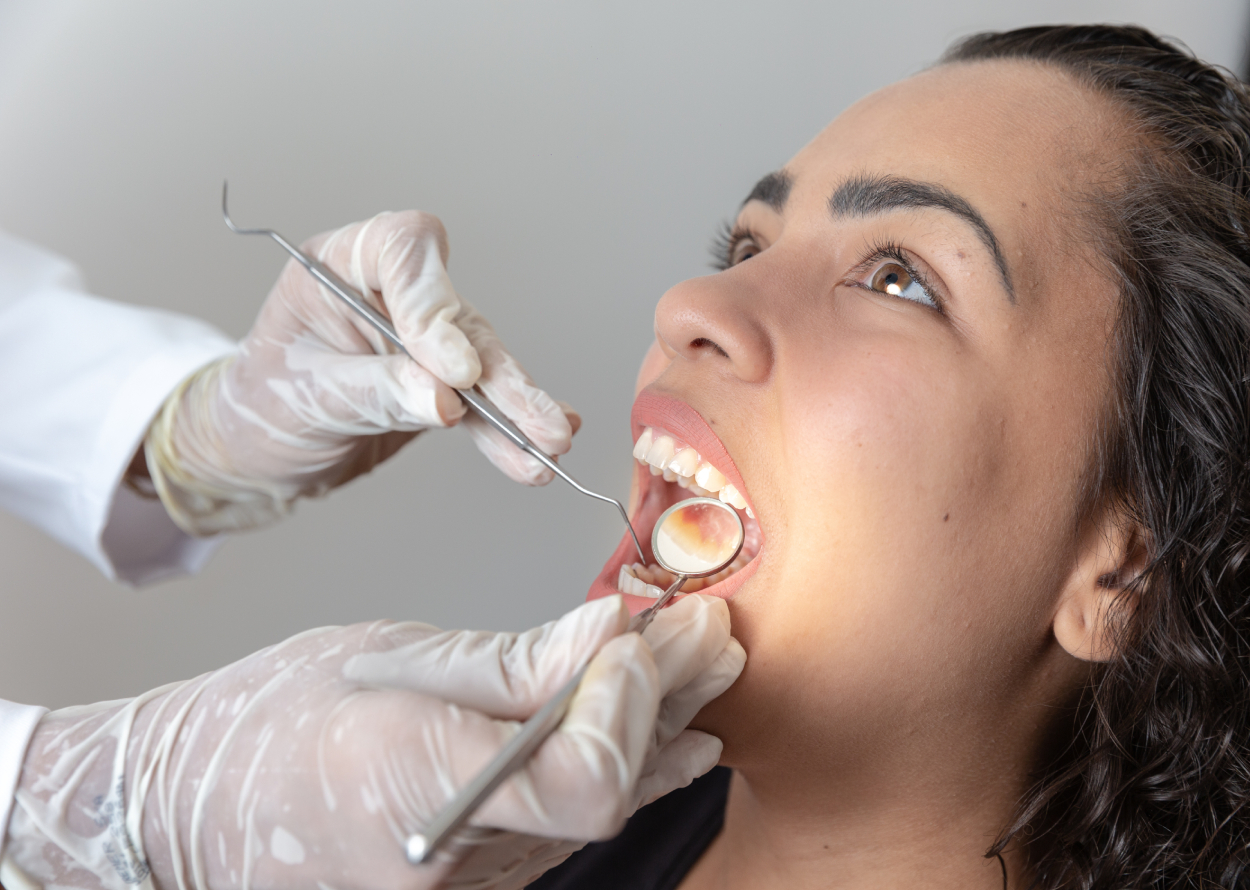
A proper diagnosis is more than a quick glance at the gums. During an exam, a clinician usually measures the depth of the space between the tooth and gum with a periodontal probe. Healthy sulcus depths are generally shallow. Deeper pockets can suggest attachment loss, especially when paired with bleeding and X-ray evidence of bone changes.
Dental X-rays help show the level of supporting bone around the teeth. They are especially useful because some of the most important changes in gum disease happen below the surface, where a mirror at home cannot reveal much. The dentist will also note tartar buildup, recession, loose teeth, areas that trap plaque, and existing crowns or fillings that may affect gum health.
This is where treatment becomes individualized. Two patients can both be told they have gum disease, yet their care needs can be very different. One may have mild gingivitis from inconsistent flossing. Another may have moderate periodontitis linked to years of tartar buildup, smoking, and missed cleanings. The treatment plan should reflect that difference.
Why gum disease develops in the first place
Poor plaque control is the main driver, but it is rarely the whole story. Some people develop gum disease quickly despite appearing to brush regularly, while others coast for years with less-than-perfect habits. Real life is messier than a textbook.
Smoking is a major risk factor. It reduces blood flow to the gums and can mask bleeding, which means disease may look less dramatic while causing more damage. Diabetes also plays a strong role, especially if blood sugar is not well controlled. Hormonal changes, certain medications that cause dry mouth, genetic predisposition, grinding, crowded teeth, and ill-fitting restorations can all contribute.
Stress is often underestimated. A person under chronic stress may clench their jaw, skip home care, snack more often, sleep poorly, and postpone appointments. Those little changes add up in the mouth.
For patients seeking Gum Disease Treatment in Ventura, lifestyle factors often shape both the disease and the treatment timeline. Coastal communities tend to be active and health-conscious, but busy schedules, frequent coffee consumption, sports drinks, and delayed dental visits still create the same pattern seen everywhere else: symptoms are overlooked until bleeding or sensitivity becomes hard to ignore.
The main types of gum disease treatment
The phrase Gum Disease Treatment covers a range of care, from a straightforward professional cleaning for gingivitis to more involved periodontal therapy for advanced disease. The right approach depends on how deep the infection goes and how much support has already been lost.
When the condition is limited to gingivitis, treatment may be as simple as a thorough cleaning and improved home care. The tartar above and just slightly below the gumline is removed, the gums are allowed to heal, and follow-up visits confirm whether inflammation resolves.
When periodontitis is present, the most common first step is scaling and root planing. Patients sometimes call it a deep cleaning, which is an understandable shorthand, though the clinical purpose is more specific. The clinician removes bacterial deposits and tartar from beneath the gumline and smooths the root surfaces to make it harder for plaque to reattach. This can reduce pocket depth and help the gums tighten around the teeth.
In many offices, this treatment is completed by quadrant, often with local anesthetic so the patient stays comfortable. The experience varies. Some people need only mild numbing and return to work the same day. Others prefer to schedule lighter activities afterward because the mouth may feel sore for a day or two.
If pockets remain deep after initial therapy, additional treatment may be recommended. That can include localized antibiotics placed into periodontal pockets, referral to a periodontist, or surgical procedures designed to access deeper deposits and reshape or regenerate damaged tissues where possible.
What scaling and root planing feels like in real life
Patients usually want the plain answer: is it painful, and does it work?
With proper anesthesia, scaling and root planing is typically tolerable. During the appointment, most patients feel pressure, vibration, water, and occasional sensitivity rather than sharp pain. Afterward, mild soreness, gum tenderness, and temporary sensitivity to cold are common. The gums may also look slightly shrunken once the swelling goes down. That can be alarming if a person expects everything to look fuller afterward, but reduced puffiness is often a sign that inflammation is improving.
The treatment works best when expectations are realistic. It is not a one-time reset button. It lowers the bacterial burden and gives the tissues a chance to heal, but long-term control depends heavily on daily plaque removal and regular maintenance visits. If those do not happen, the disease often returns.
A pattern many clinicians see is the highly motivated start followed by gradual backsliding three or four months later. Patients feel better, see less bleeding, and assume the problem is solved. That is exactly when the routine matters most.
When surgery enters the conversation
The word surgery tends to make people tense, but periodontal surgery is not automatically a sign of failure. Sometimes it is simply the most effective way to treat areas that non-surgical therapy cannot fully reach.
Flap surgery, for example, allows direct access to deep root surfaces and bone defects. In select cases, grafting materials or regenerative membranes may be used to encourage healing in areas where the bone has been damaged. Gum grafts may also be recommended for significant recession, particularly if roots are exposed and sensitive or if the thin gum tissue is at risk of further loss.
Not every deep pocket needs surgery, and not every surgical site can regenerate lost structures to a meaningful degree. Good clinicians are honest about those trade-offs. Sometimes the goal is regeneration. Sometimes it is infection control and easier long-term maintenance. Sometimes a tooth is so compromised that extraction is the healthier choice. Patients deserve a clear explanation of which goal applies in their case.
The role of antibiotics and mouth rinses
Many people assume antibiotics are the primary treatment for gum infection. They are not. Mechanical removal of plaque and tartar is the foundation. Antibiotics may support treatment in selected cases, but they do not replace cleaning the tooth surfaces and pockets where the bacteria live.
Prescription mouth rinses can help reduce bacterial load for a limited period, particularly after intensive treatment. Chlorhexidine is a common example, though it can cause staining if used too long. Some clinicians also use localized antimicrobial agents placed directly into periodontal pockets. These are more targeted than a general pill and may be useful in isolated stubborn areas.
Over-the-counter mouthwash can freshen breath, but it should not be mistaken for treatment. A minty rinse does not remove tartar, and it does not reverse attachment loss.
What happens after treatment
The aftercare phase is where stable results are built. Once gums have responded to treatment, most patients with a history of periodontitis move into periodontal maintenance rather than routine six-month cleanings. This matters because maintenance visits are designed for a different level of risk. They are usually scheduled every three to four months, though intervals vary.
At those visits, the team checks pocket depths, bleeding, tartar accumulation, plaque control, and any areas of recession or mobility. Small changes are easier to manage than large ones. Catching a 4 millimeter pocket that starts bleeding again is far preferable to ignoring it until deeper breakdown occurs.
Home care also becomes more deliberate. Patients often do best when they stop thinking in vague terms like “I brush pretty well” and start focusing on technique. The details matter. A soft toothbrush angled toward the gumline removes more plaque than scrubbing horizontally. Interdental brushes may work better than string floss in wider spaces. Water flossers can be helpful, especially for bridges, braces, and patients with limited dexterity, though they are usually an addition rather than a complete substitute for mechanical cleaning between teeth.
Here is a practical home-care framework that tends to help people stick with the basics:
- Brush twice daily for a full two minutes with a soft brush or electric brush.
- Clean between the teeth once a day using floss, interdental brushes, or both.
- Follow any prescription rinse instructions exactly as given, especially regarding duration.
- Keep maintenance visits on schedule, even when the mouth feels fine.
- Report changes early, including bleeding, swelling, or a tooth that suddenly feels loose.
That routine is not glamorous, but it is what preserves results.
Can gum disease be reversed?
The answer depends on the stage.
Gingivitis can usually be reversed. Once plaque and tartar are removed and home care improves, the inflammation often settles and the gums return to a healthier state.
Periodontitis cannot be fully reversed in the same sense because the lost attachment and bone do not simply grow back on their own. However, it can often be controlled very successfully. Pockets can become shallower, bleeding can stop, infection can stabilize, and teeth can remain functional for many years. In practice, disease control is the real target. Patients do not need perfect gums to keep their teeth, but they do need consistency.
This distinction matters because false promises can lead to disappointment. If a patient is told that treatment will make everything “like new,” they may feel discouraged when recession remains visible or when maintenance is still needed. A more honest promise is that treatment can often stop progression, reduce symptoms, and improve the odds of keeping the teeth long term.
Costs, time, and what influences them
Cost varies widely based on severity, location, the number of areas treated, whether anesthesia or antimicrobial agents are used, and whether a general dentist or periodontist provides care. A mild case may require little more than a prophylaxis and reinforced home care. More advanced disease may involve scaling and root planing across multiple quadrants, periodic X-rays, maintenance visits, and possibly surgery.
Time commitment matters too. Some people imagine they can “get it over with” in one long appointment. That is not always realistic or wise. Numbing, tissue response, medical history, and patient comfort all affect how treatment is staged.
For those exploring Gum Disease Treatment in Ventura, it is worth asking not only about the fee, but also about what the plan includes, how success will be measured, and what maintenance will cost over the next year. A lower upfront number can be misleading if the aftercare structure is weak or unclear.
Common mistakes beginners make
The biggest mistake is waiting for pain. Gum disease often advances quietly, and silence is not a sign of health.
Another common error is stopping flossing because the gums bleed. Gentle, consistent cleaning is usually what helps inflamed gums improve, though severe tenderness should be evaluated rather than pushed through blindly. People also tend to underestimate tobacco use, dry mouth from medications, and skipped maintenance visits. Those factors quietly undermine treatment.
One more issue comes up often: relying on cosmetic fixes while ignoring the foundation. Whitening, veneers, and crowns have their place, but unhealthy gums will eventually complicate every other investment in the mouth.
When to see a dentist or periodontist
A prompt evaluation makes sense if your gums bleed regularly, if bad breath persists despite brushing, if you notice recession, or if teeth feel different when you bite. It is especially important if you have diabetes, smoke, or have gone several years without a cleaning.
Most general dentists can diagnose and treat mild to moderate cases of gum disease. A periodontist, who specializes in gum and supporting bone conditions, may be brought in for advanced disease, surgical care, gum grafting, or cases that do not respond as expected.
The best outcomes usually come from early action, not heroic rescue attempts. Gum disease is common, but it is not something to shrug off. With proper diagnosis, appropriate Gum Disease Treatment, and steady follow-through at home, many patients regain comfort, reduce bleeding, and keep their teeth far longer than they expected. That is the practical promise of periodontal care: not perfection, but durable control built on skill, habits, and timely attention.
Avra Dental
Address: 1708 S Victoria Ave B, Ventura, CA 93003
Phone number: (805) 941-1001
FAQ About Gum Disease Treatment in Ventura
How to improve gum health quickly?
To improve gum health quickly, eliminate plaque buildup by brushing for two full minutes twice a day at a 45-degree angle to the gumline. Floss daily to clean under the gumline, and rinse with an antimicrobial, alcohol-free mouthwash. For immediate relief of soreness, use a warm saltwater rinse.
What is the fastest way to cure gum disease?
To quickly cure early-stage gum disease (gingivitis), eliminate the plaque buildup causing the inflammation. Brush gently but thoroughly for two minutes twice daily, floss daily, and use an antibacterial mouthwash or a warm saltwater rinse. However, if tartar has hardened, professional treatment is necessary.
How do I treat my gum disease at home?
You can treat early gum disease at home by practicing strict daily oral hygiene, rinsing with salt water or antibacterial mouthwash, and quitting smoking. True gum disease (especially advanced forms like periodontitis) cannot be fully cured at home once tartar forms, and you must see a dentist for professional cleanings.